What Is a Manhole Cover Ring? And Why the Design Decides Everything 

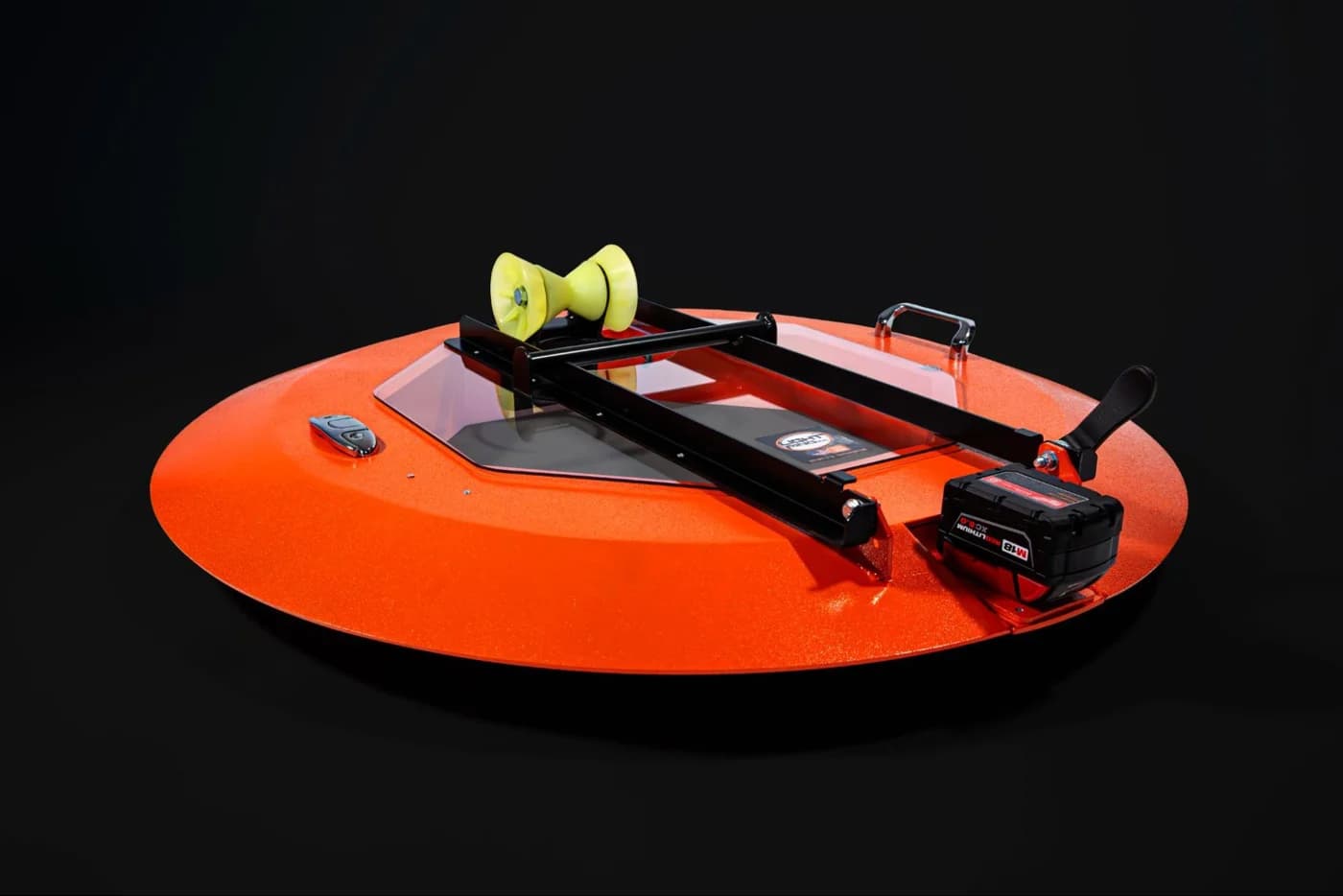
Light Ring integrated manhole cover ring system showing the aluminum frame, integrated LED housing, downrigger roller, flip-up aerosol shield, and battery-powered design.

A manhole cover ring is a piece of safety equipment placed over an open manhole during utility maintenance, sewer cleaning, or inspection work. It marks the access point as a hazard, protects the casting edge and any equipment running over the rim, and helps define a controlled work zone around the opening.

That is the textbook definition. The real-world answer is that “manhole cover ring” covers a wide spectrum of products. On one end, a basic plastic edge protector that marks the hole and nothing else. On the other, a fully integrated manhole cover ring system with structural barrier, high-output lighting, hose management, and aerosol containment built into a single unit.

At Light Ring Inc., the most common question we get from crews and Safety Directors early in their research is some version of: aren’t all manhole cover rings basically the same?

They are not. The design decisions a manufacturer makes determine whether the ring solves one problem or five, and that difference shows up in setup time, equipment damage, worker exposure, and liability outcomes across hundreds of touchpoints per year. This guide is written for public works directors, safety directors, and contractor operations managers who want a clear read on the category before evaluating products. It walks through what a manhole cover ring is, what it actually does, and why the design choices matter more than most procurement teams realize.

What Does a Manhole Cover Ring Do?

A manhole cover ring has three core jobs on every utility job site.

  1. It identifies the open access point. Once a manhole cover comes off, the opening becomes the highest-consequence feature on the work site. Drivers, pedestrians, and crew members crossing the area need to register the hazard from a distance, in every condition the work occurs in. That includes full daylight, low-angle sun, transitional light, night shifts, standing water, and emergency response situations. A cover ring is the visual cue that says something is open here, do not approach this way.
  2. It protects the casting edge and any equipment running over the rim. Jet hoses, CCTV camera cables, and CIPP liners all pass over the manhole edge under tension or pressure. A bare casting edge will abrade hose jackets, fray cable, and damage liners. The ring sits between the equipment and the rim and absorbs that wear.
  3. It defines and controls the work zone around the opening. A cover ring establishes where the active work is happening and where equipment should not stage. It physically marks the rim so crews moving equipment past the opening have a tactile and visual reference, and it gives the crew a fixed geometry to plan deployment around.

Those are the baseline jobs. Every product in the category is built to do at least one of them. Where products start to diverge is in how well each ring performs each job, and how many of the surrounding workflow problems the ring is also designed to solve.

That is where design enters the picture.

Why Does Manhole Cover Ring Design Matter?

A manhole cover ring is one of the only pieces of equipment a sewer or utility crew touches on every single open-manhole job. Across a year of routine work, that adds up to hundreds of deployments per crew, and several thousand across a fleet.

At that frequency, the difference between a ring that does one job and a ring that does five stops being a minor preference. It becomes an operational variable that compounds.

Most procurement teams evaluate a manhole cover ring the way they evaluate a traffic cone. Confirm it fits the opening, confirm it is durable enough for field use, approve the line item. That works for low-stakes equipment. It does not work for the highest-consequence feature on a sewer or utility job site.

The design decisions made by the manufacturer determine whether the ring:

  • Marks the hole or physically guards it
  • Lights the work area or leaves the rim in shadow
  • Routes a jet hose under load or just protects the casting from abrasion
  • Lets the crew set up one tool or five

That is the design gap. Two products that look similar on a procurement page can perform completely differently in the field, and the gap shows up in setup time, equipment damage, exposure to aerosolized waste, near-miss reports, and eventually injury claims.

For Safety Directors and operations leaders, the diagnostic question is direct: does the manhole cover ring on our crews’ trucks physically guard the opening, or does it just mark it? If the answer is the second one, the equipment is not closing the gap that incident reports and liability claims tend to land on.

The Light Ring exists because the available passive products were not closing those gaps, and the crews running them kept improvising the rest of the workflow on the truck bumper.

What Are the Parts of a Manhole Cover Ring?

Every manhole cover ring is the result of a series of design decisions the manufacturer made. Understanding those decisions is the fastest way to evaluate whether a ring is built for the work your crews actually do, or built to hit a price point on a catalog page.

Frame Material and Structural Rigidity

Plastic frames flex and break under contact, which makes them markers, not guards. A powder-coated aluminum frame holds up as a physical barrier when a crew member, an equipment cart, or a piece of jet hose makes contact with it.

Visual Identification

Color is the entry-level identification feature. Safety orange against gray pavement reads from a distance under most conditions. The next layer up is structure. A ring with vertical relief and a defined geometry reads as a hazard from low-angle approaches and in transitional light, where a flat plastic ring can disappear into the roadway.

Lighting Integration

This is the most field-distinctive design decision in the manhole cover ring category. A ring without lighting requires the crew to deploy a separate work light, which means a second tool, a second power source, and a second potential trip hazard from cords. A ring with integrated LED lighting at the rim eliminates the separate light entirely and distributes illumination evenly across the working area. The Light Ring puts 6,000 lumens at the opening through four LED modules built directly into the frame, which holds illumination on the rim where most contact incidents and alignment errors happen.

Hose and Cable Management

Jet hoses, CCTV cable, and CIPP liners all run over the ring during deployment. A basic ring protects the casting from abrasion and stops there. A ring with an integrated roller assembly guides hose and cable into the structure under load, which protects both the equipment and the casting at the same time.

Aerosol and Mist Containment

Jetting operations push pressurized water into the structure, which sends sewer aerosol back up through the opening. A ring without containment leaves crews breathing it. That mist carries pathogens, bacteria, and odors that follow operators home and shorten the working life of camera optics and PPE. A ring with an integrated shield contains the mist at the source.

Tie-Off and Rope Management

Most crews running tiger tail rope improvise their tie-off on a truck bumper or a barricade leg, and every improvised tie-off is a trip hazard waiting to develop. A ring with a purpose-built rope cleat eliminates the workaround at the source.

Power Source and Battery Compatibility

A ring that needs a generator or a wired light adds setup time and cord management to every deployment. A ring that runs on the same DeWalt or Milwaukee batteries already on the truck removes that friction entirely. The Light Ring Mounting System takes that a step further by giving each unit a secured home on the truck, so the ring is protected between jobs and ready the moment the crew arrives on site.

Manhole Size Range and Fit

Manhole openings in sewer and utility work generally fall between 22 and 36 inches, with most concentrated in the 22 to 30 inch range. A ring’s size range determines how often it actually fits the work the crew performs. A unit built for a narrow band leaves crews back on improvised setups for any opening outside that range. For fleets running both standard and large-diameter structures, size range is a hidden capacity question worth solving up front.

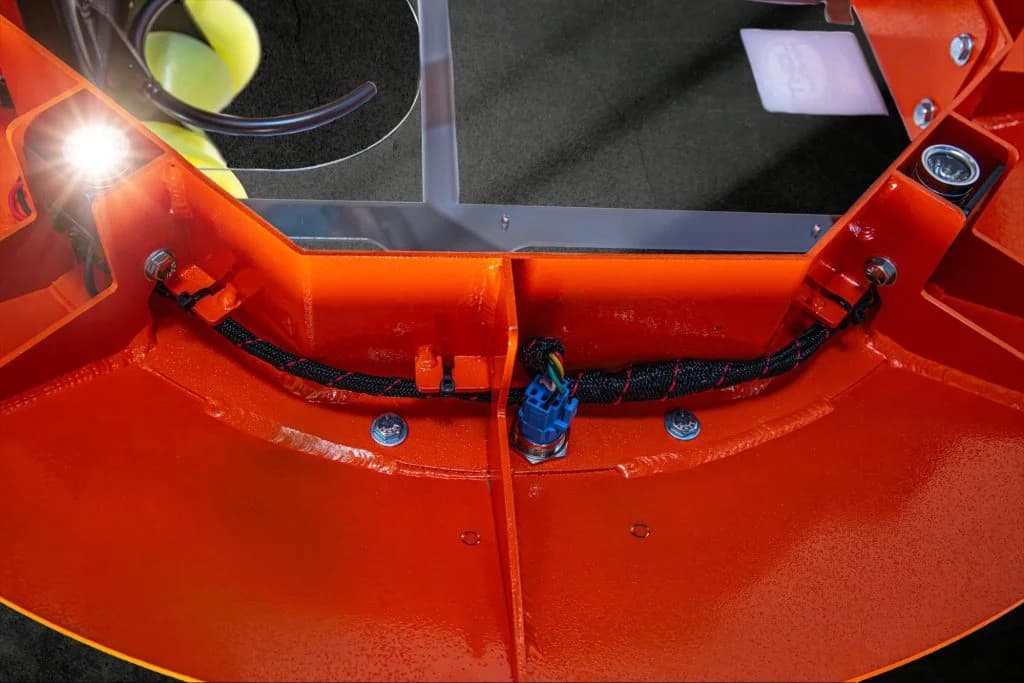
Close-up detail of the Light Ring manhole cover ring showing aluminum frame construction, sealed wiring harness with Deutsch connector, LED module, and downrigger roller.

Passive Protection vs. Integrated Manhole Cover Ring Systems

The clearest way to think about the manhole cover ring category is as a spectrum from passive to integrated.

A passive cover ring marks the opening and protects the casting. That is the full scope of what it is designed to do. An integrated manhole cover ring system performs those same baseline functions while also handling lighting, hose routing, aerosol containment, and tie-off in a single deployable unit. The two share a category name. They do fundamentally different work on a job site.

Design ElementPassive Cover RingIntegrated Cover Ring System (e.g., Light Ring)
Frame structurePlastic, flexes under contactRigid aluminum, holds up as a barrier
Visual identificationColor onlyColor, structure, and active LED illumination
LightingNoneIntegrated 6,000-lumen LED at the rim
Hose and cable routingCasting edge protection onlyIntegrated roller and casting edge protection
Aerosol and mist containmentNoneIntegrated flip-up shield at the opening
Tie-off and rope managementNonePurpose-built rope cleat
Power sourceNone requiredDeWalt or Milwaukee battery compatibility
Tools replaced on siteOne (the ring)Five or more (ring, light, roller, shield, tie-off)
Low-light or emergency performancePoorStrong
Setup timeFast but minimal functionComparable, with significantly more protection

Passive rings solve one problem. Integrated systems solve five. The cost difference is recovered across a year in time saved on setup, reduced damage to camera optics and jet hoses, lower aerosol exposure during jetting, and a measurably narrower liability profile when an incident does occur.

What to Look For in a Manhole Cover Ring

If you are evaluating manhole cover rings for a municipal crew, contractor fleet, or distributor inventory, the design questions that matter most are not on the spec sheet. They sit one layer underneath, in the choices the manufacturer made when they decided what the ring is for.

The following six questions surface those decisions quickly:

  1. Does the frame physically guard the rim, or just mark it? A flexible plastic ring just marks. A rigid aluminum or comparable frame actually guards. That is the difference between a hazard cue and a structural barrier.
  2. Is the ring visible in every condition the crew works in? Color works in daylight. Active illumination works at night, in transitional light, and in standing water. If the crew runs emergency response, night work, or storm response, the ring needs to work in those conditions, not just in the catalog photo.
  3. Does the ring integrate lighting, or does the crew still deploy a separate work light? Every separate tool is a separate setup step and a separate failure point. Integration is a workflow decision as much as a safety decision.
  4. Does it route hoses and protect the casting under load? A jet hose under pressure or a CCTV cable under tension will damage both the equipment and the casting if the ring does not handle the routing. The math on equipment protection adds up faster than most teams expect.
  5. Does it include a purpose-built tie-off, or does the crew improvise on a bumper? If the crew is running tiger tail rope, the ring needs to give the rope a home. Otherwise the workaround becomes the trip hazard.
  6. Was the product designed by people who run sewer operations, or designed for a catalog? Lab specs do not predict field performance. Ask where the product came from. The answer is usually visible in the design itself.

What Is an Integrated Manhole Cover Ring System?

Light Ring Inc. builds in the integrated category because the founder, Shane Jacobson, spent 18 years in sewer operations watching passive products force crews into improvised workarounds for the rest of the workflow. The result was the Light Ring, designed to replace five separate tools at the manhole opening with one integrated piece of equipment:

  • High-output LED lighting at the rim (6,000 lumens)
  • Structural aluminum barrier that fits 22 to 30 inch openings
  • Integrated downrigger roller for hose and cable routing
  • Flip-up aerosol shield for jetting operations
  • Purpose-built rope cleat for tiger tail tie-offs

It runs on the DeWalt or Milwaukee M18 batteries already on the truck, which means no cords, no generators, and no second power source to manage during setup.

For crews evaluating options at a more granular level, our buyer’s guide for jet truck and CCTV crews walks through the seven criteria that matter most for sewer cleaning and inspection workflows.

For Safety Directors focused on fall risk specifically, our breakdown of the manhole fall protection gap covers where standard passive rings stop short and what active fall prevention actually requires.

Frequently Asked Questions

What is a manhole cover ring?

A manhole cover ring is safety equipment placed over an open manhole during utility, sewer, or inspection work. It marks the access point as a hazard, protects the casting edge from abrasion, and helps define a controlled work zone around the opening. Models range from passive plastic edge protectors to fully integrated systems that include lighting, structural barriers, and aerosol containment.

What is the purpose of a manhole cover ring?

The core purpose of a manhole cover ring is to identify the open access point, protect equipment passing over the casting, and define the work zone around the opening. More advanced manhole cover ring systems add fall prevention, lighting, hose routing, aerosol containment, and tie-off capability to that baseline.

What sizes do manhole cover rings come in?

Manhole cover rings are typically built to fit openings between 22 and 36 inches in diameter, with most sewer and utility work concentrated in the 22 to 30 inch range. The Light Ring fits 22 to 30 inch openings, and the Light Ring XL covers 26 to 36 inch structures for larger applications.

What is the difference between a passive cover ring and an integrated manhole cover ring system?

A passive cover ring marks the opening and protects the casting. An integrated manhole cover ring system performs those same baseline functions while also providing a structural fall barrier, integrated LED lighting, hose routing, aerosol containment, and a purpose-built tie-off, all in a single deployable unit.

Does a manhole cover ring count as fall protection under OSHA?

A passive plastic cover ring functions primarily as a visual identifier and edge protector, not as a structural fall barrier. OSHA does not certify a specific cover ring product as fall protection, but a ring with a rigid frame and integrated illumination can serve as an engineering control under OSHA’s hierarchy of hazard prevention. Crews relying on a cover ring for fall protection should confirm it meets the structural barrier requirements of their site-specific compliance plan.

Do all manhole cover rings have lighting?

No. Most manhole cover rings on the market are passive and do not include lighting, which means crews deploy a separate work light alongside the ring. Integrated manhole cover ring systems like the Light Ring build lighting directly into the frame, eliminating the separate tool and the second setup step.

What is a manhole cover ring?

A manhole cover ring is safety equipment placed over an open manhole during utility, sewer, or inspection work. It marks the access point as a hazard, protects the casting edge from abrasion, and helps define a controlled work zone around the opening. Models range from passive plastic edge protectors to fully integrated systems that include lighting, structural barriers, and aerosol containment.

What is the purpose of a manhole cover ring?

The core purpose of a manhole cover ring is to identify the open access point, protect equipment passing over the casting, and define the work zone around the opening. More advanced manhole cover ring systems add fall prevention, lighting, hose routing, aerosol containment, and tie-off capability to that baseline.

What sizes do manhole cover rings come in?

Manhole cover rings are typically built to fit openings between 22 and 36 inches in diameter, with most sewer and utility work concentrated in the 22 to 30 inch range. The Light Ring fits 22 to 30 inch openings, and the Light Ring XL covers 26 to 36 inch structures for larger applications.

What is the difference between a passive cover ring and an integrated manhole cover ring system?

A passive cover ring marks the opening and protects the casting. An integrated manhole cover ring system performs those same baseline functions while also providing a structural fall barrier, integrated LED lighting, hose routing, aerosol containment, and a purpose-built tie-off, all in a single deployable unit.

Does a manhole cover ring count as fall protection under OSHA?

A passive plastic cover ring functions primarily as a visual identifier and edge protector, not as a structural fall barrier. OSHA does not certify a specific cover ring product as fall protection, but a ring with a rigid frame and integrated illumination can serve as an engineering control under OSHA’s hierarchy of hazard prevention. Crews relying on a cover ring for fall protection should confirm it meets the structural barrier requirements of their site-specific compliance plan.

Do all manhole cover rings have lighting?

No. Most manhole cover rings on the market are passive and do not include lighting, which means crews deploy a separate work light alongside the ring. Integrated manhole cover ring systems like the Light Ring build lighting directly into the frame, eliminating the separate tool and the second setup step.

Table of Contents