The budget should not stand in the way of safer worksites, yet many organizations find that lighting, visibility, and hazard alert upgrades get pushed aside when funding is tight. The good news is that many states, insurers, and industry programs offer workplace safety grants and other forms of safety grant funding that can offset a substantial portion of these improvements. Municipalities, utilities, and industrial operators use these programs every year to fund essential upgrades to lighting, visual alerts, and other equipment that reduce risk and support safer field conditions.
These programs exist for a clear purpose. When lighting and visual alert equipment reduce risk, support hazard awareness, and strengthen day to day safety performance, they become strong candidates for funding support. At Light Ring Inc., we create technology that consistently delivers measurable improvements in real field conditions, which is why our equipment aligns with the priorities many grant programs emphasize.
For leaders responsible for protecting crews and managing budgets, safety grants offer a practical path to upgrades that might otherwise be delayed for years. When funding supports equipment that improves visibility and reduces risk, organizations can move forward with solutions that make a meaningful impact in daily operations. Organizations that want to explore funding opportunities in more depth can review the safety grant resources available through Light Ring Inc., which outline current programs from state agencies, insurers, and industry partners.
Safety grants are intended to help organizations invest in equipment that reduces workplace accidents and supports stronger long term safety performance. These programs are offered through state OSHA divisions, insurers, industry associations, and federal agencies that promote practical risk reduction. Although each program has its own requirements, most workplace safety grants support equipment that improves visibility, strengthens hazard awareness, and contributes to safer field conditions. Matching grants are common, and many cover a multiple of the organization’s investment. Others reimburse a portion of approved expenses once documentation is submitted. At their core, these programs encourage proactive measures that prevent injuries before they occur.
Understanding how safety grant funding works helps organizations determine which upgrades may qualify. Many programs prioritize engineering controls and eligible safety equipment that provide measurable results in real field environments. Funding structures vary, with some opportunities reimbursing 50 to 80 percent of approved costs and others offering matching support at ratios such as 2 to 1. Lighting and visual alert systems often meet these criteria because they improve visibility, reduce common hazards, and support compliance with established safety guidelines. When organizations explore these opportunities early, they gain a clearer sense of which improvements can be supported and how grant funding can strengthen overall worksite safety performance.
Grant programs often prioritize funding for engineering controls, long term safety improvements, and equipment with measurable impact in the field. Light Ring Inc.’s technology is built to meet and exceed these expectations. Its combination of durable construction, energy efficient LED performance, and defined visual alert capabilities supports risk reduction in real world environments, making it a strong fit for many workplace safety grant funding programs.
Many workplace injuries stem from reduced visibility, unclear hazard zones, and inconsistent lighting conditions. Light Ring’s solutions address these challenges through glare controlled illumination, directional visual alerts, and clearly defined lighting zones that improve situational awareness. This level of visibility enhancement directly supports the objectives of workplace safety grants, which frequently focus on equipment that prevents incidents and supports safer daily operations.
Most safety grant programs concentrate on engineering controls because they produce consistent, long term safety improvements. Light Ring Inc.’s equipment supports this priority through durable construction, energy-efficient LED technology, and reliable performance in demanding field conditions. These characteristics reduce exposure to jobsite hazards and contribute to safer work environments without requiring frequent replacement or maintenance. Programs that fund engineering controls often recognize these qualities as part of their eligibility criteria.
Grant reviewers frequently look for equipment that delivers practical, measurable safety benefits. Light Ring systems support this expectation by improving visibility, reducing common hazards, and providing field tested performance that can be documented for grant applications. Demonstrated outcomes such as clearer hazard delineation and reduced incident potential help organizations present a strong case for support. These measurable improvements also allow safety leaders to explain the return on investment that grant funded upgrades can provide.
Lighting and visual alert systems are often considered eligible safety equipment because they provide lasting improvements to worksite visibility, hazard recognition, and overall operational safety. Many safety grant programs focus on equipment that enhances the physical environment and reduces common risks. Lighting upgrades support this priority by improving visibility in low light conditions, reducing blind spots, and helping crews identify hazards more quickly.
Modern LED lighting and visual warning systems also meet the expectations of grant reviewers who look for equipment with long term value. Light Ring Inc. products deliver energy efficient performance, durable construction, and consistent illumination that requires minimal maintenance over time. Features such as glare controlled lighting, defined illumination zones, and directional visual alerts help field teams maintain stronger situational awareness in both indoor and outdoor environments.
These capabilities allow lighting and visual alert systems to align closely with the standards used to evaluate eligible safety equipment across many funding programs. Their ability to reduce risk, support compliance with safety guidelines, and contribute measurable improvements in field performance makes them a strong match for workplace safety grants that prioritize engineering controls and sustainable, proven safety upgrades.
Submitting a strong safety grant application requires clear documentation, organized preparation, and an understanding of what reviewers need to evaluate. The steps below support a well-structured submission and help demonstrate why the proposed upgrade is a meaningful addition to your safety program.
Light Ring Inc. can support your application by providing product specifications, cost information, and performance data that help demonstrate the safety value of the proposed upgrade.
Organizations seeking workplace safety grants can explore opportunities through state agencies, insurers, industry associations, and federal programs that support visibility improvements and broader risk reduction initiatives. Many states operate workplace safety programs through OSHA divisions or labor departments, providing annual cycles of safety improvement grants that help fund equipment tied to hazard prevention and operational safety. Insurers and municipal risk pools are also important sources of safety grant funding, often offering reimbursement or grant funding for safety equipment that reduces claims and strengthens safety performance across departments. These programs typically prioritize upgrades that demonstrate clear safety value, making lighting and visual alert systems a strong match.
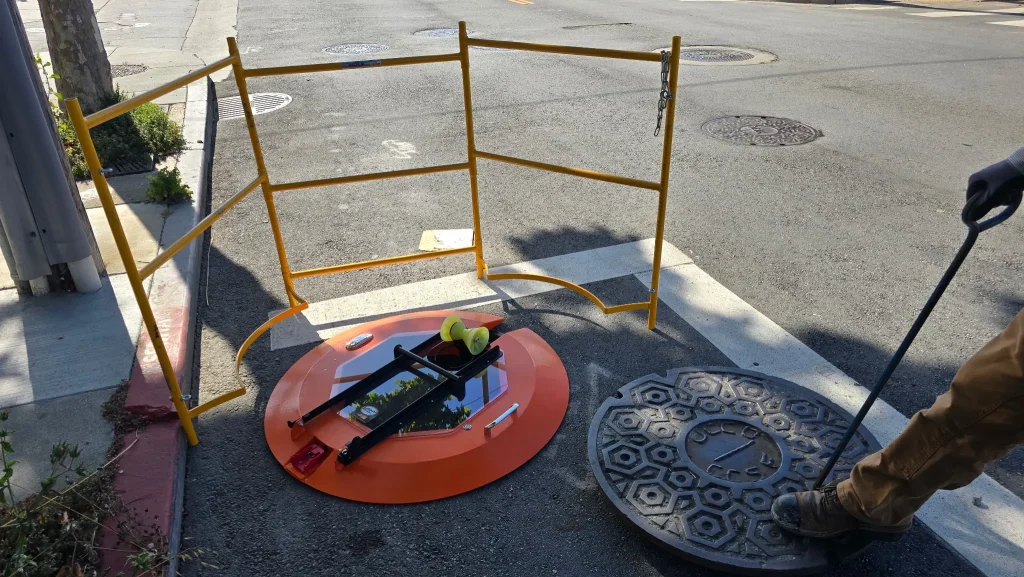
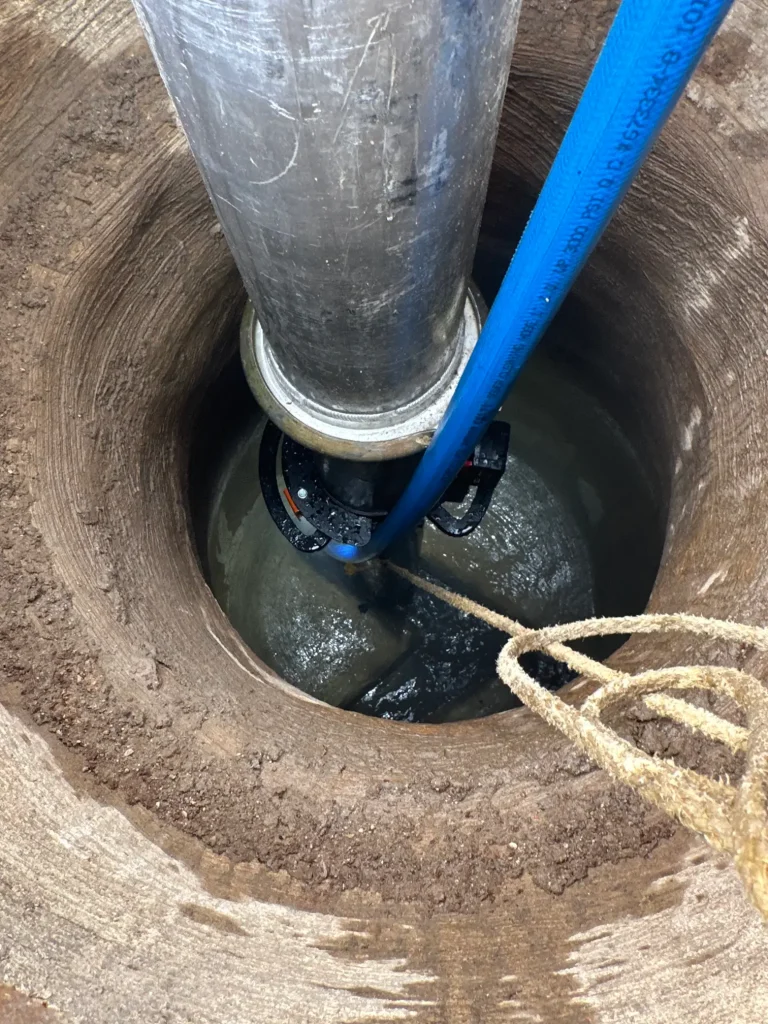
Some programs also support safety improvements in specialized environments such as confined spaces, pump stations, and underground facilities. These opportunities often focus on equipment that enhances visibility and reinforces engineering control practices, which makes lighting and visual alert systems a practical fit for organizations working to reduce risk in these settings. Reviewing these targeted programs can help teams identify funding options that support essential upgrades without placing additional strain on capital budgets.
Industry associations and federal agencies maintain additional workplace safety grants that support high-impact field improvements, including visibility upgrades, confined-space protections, and other engineering control solutions. Associations that serve municipalities, utilities, and public works departments may offer smaller municipal safety grants or industrial safety grants aimed at practical, field-tested improvements, while federal programs occasionally fund equipment that advances worker protection and operational stability. Because each opportunity operates with its own schedule and eligibility criteria, reviewing current details early is essential for planning. Many organizations begin by consulting the safety grant resource information available through Light Ring Inc., which provides an overview of active programs from state organizations, insurers, and industry partners.
Lighting and visual alert upgrades play a meaningful role in creating safer and more efficient worksites, and workplace safety grants allow organizations to move these improvements forward without relying solely on capital budgets. When funding supports equipment that strengthens awareness and reduces common risks, safety teams gain tools that support long term operational stability.
If your municipality, utility, or industrial operation is considering a safety upgrade and looking for options to manage project costs, exploring available workplace safety grants can be an effective first step. Light Ring Inc. can provide product information, performance details, and documentation that support well-prepared funding applications. Contact Light Ring Inc. to begin reviewing equipment options and gather the information needed to support your next safety project.